
 ~Efficacious
Grace~
~Efficacious
Grace~
TAKEN FROM Christian Perfection and Contemplation According to St. Thomas Aquinas and St. John of the Cross by Fr. Reginald Garrigou-Lagrange, O.P. Copyright 1937, Herder Book Co., 1937 Imprimatur and Nihil Obstat, 1937 ARTICLE IV The Practical Consequences of the Doctrine of St. Thomas on Grace Page 2 "And why does He make us penetrate these sublime truths? Is it to trouble us, to alarm us, to cast us into despair, to disturb us and make us question whether or not we are of the elect? Far be it from us to indulge in such thoughts, which would make us penetrate the secret counsels of God, explore, so to speak, even into His bosom, and sound the profound abyss of His eternal decrees. The design of our Savior is that, contemplating this secret gaze which He fixes on those whom He knows and whom His Father has given Him by a certain choice, and recognizing that He can lead them to their eternal salvation by means which do not fail, we should thus learn first of all to ask for these means, to unite ourselves to His prayer, to say with Him: 'Deliver us from evil' (Matt. 6:13); or, in the words of the Church: 'Do not permit us to be separated from Thee. If our will seeks to escape, do not permit it to do so; keep it in Thy hands, change it, and bring it back to Thee." [35] This prayer assumes its full value in the plenitude of the life of faith, which is the mystical life; faith, as practical as sublime, in the wisdom of God, in the holiness of His good pleasure, in His omnipotence, in His sovereign dominion, in the infinite value of the merits of Jesus Christ, and in the infallible efficacy of His prayer. Faith in the wisdom of God. "O the depth of the riches of the wisdom and of the knowledge of God! How incomprehensible are His judgments, and how unsearchable His ways! . . . Or who hath first given to Him, and recompense shall be made him? For of Him, and by Him, and in Him, are all things: to Him be glory forever. Amen." [36] Faith in the holiness of the Divine good pleasure. "I confess to Thee, O Father, Lord of Heaven and earth, because Thou hast hid these things from the wise and prudent, and hast revealed them to little ones. Yea, Father; for so hath it seemed good in Thy sight." [37] Jesus spoke in the same manner to the Pharisees: "Murmur not among yourselves. No man can come to Me, except the Father, Who hath sent Me, draw him; and I will raise him up in the last day." [38] 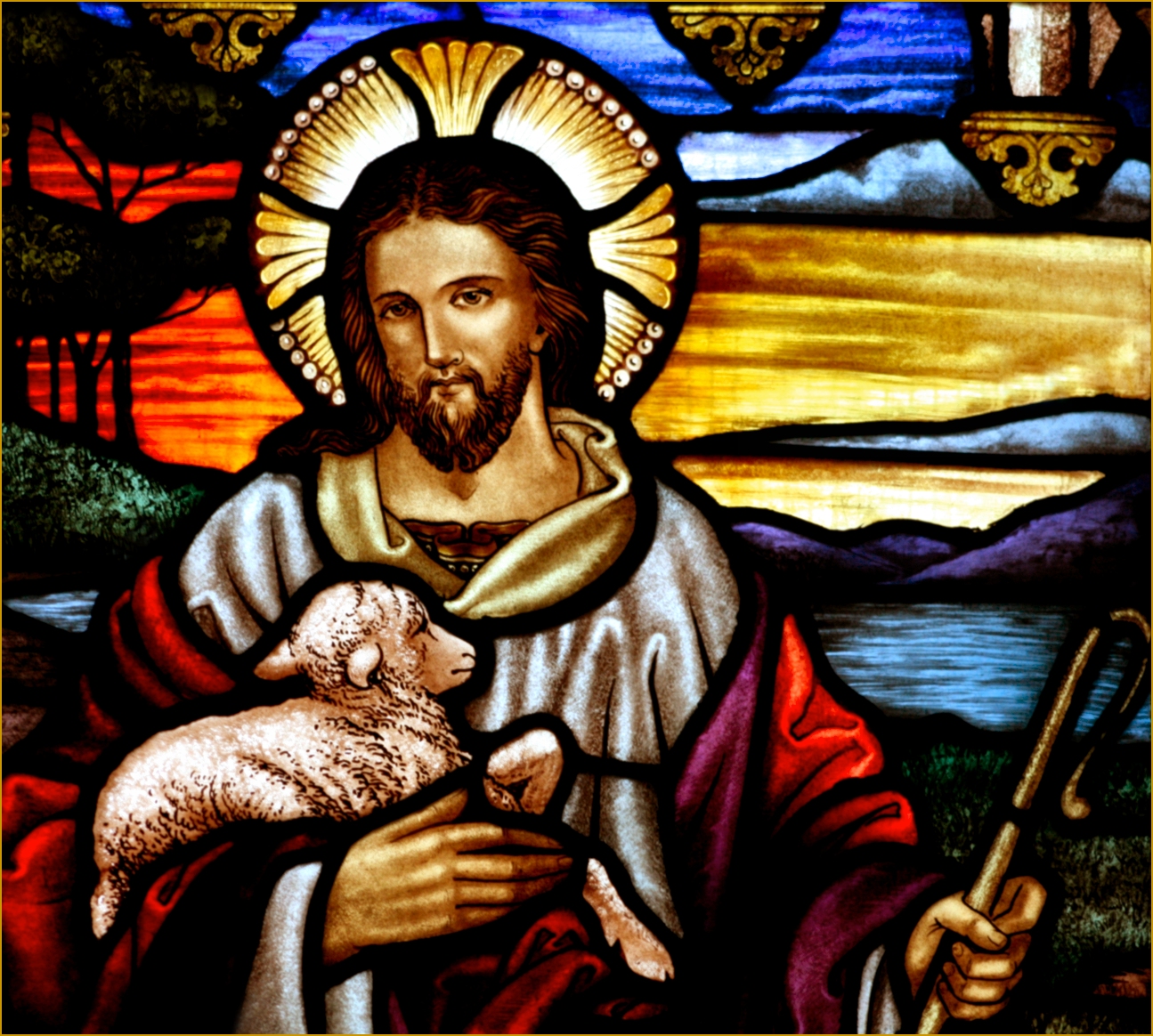 Faith in the Divine omnipotence. God can convert the most hardened sinners. "The heart of the king is in the hand of the Lord: whithersoever He will He shall turn it." [39] "For it is God Who worketh in you, both to will and to accomplish, according to His good will." [40] "My sheep hear My voice; and I know them, and they follow Me. And I give them life everlasting; and they shall not perish forever, and no man shall pluck them out of My hand. That which My Father hath given Me, is greater than all: and no one can snatch them out of the hand of My Father. I and the Father are one." [41] Faith in the sovereign dominion of the Creator. "Behold as clay is in the hand of the potter, so are you in My hands, O house of Israel." [42] "Or hath not the potter power over the clay, of the same lump, to make one vessel unto honor, and another unto dishonor? What if God, willing to show His wrath, and to make His power known, endured with much patience vessels of wrath, fitted for destruction, that He might show the riches of His glory on the vessels of mercy, which He hath prepared unto glory?" [43] Faith in the infinite value of the merits and of the prayer of Jesus. "The Father loveth the Son: and He hath given all things into His hands." [44] "Amen, amen I say unto you: He that believeth in Me, hath everlasting life." [45] "I have manifested Thy name to the men whom Thou hast given Me out of the world. Thine they were, and to Me Thou gavest them; and they have kept Thy word. ...I pray for them. ... Holy Father, keep them in Thy name whom Thou hast given Me; that they may be one, as We also are. ...While I was with them, I kept them in Thy name. Those whom Thou gavest Me have I kept; and none of them is lost, but the son of perdition, that the Scripture may be fulfilled. . . . I pray not that Thou shouldst take them out of the world, but that Thou shouldst keep them from evil. . . . And not for them only do I pray, but for them also who through their word shall believe in Me. . . . Father, I will that where I am, they also whom Thou hast given Me may be with Me; that they may see My glory which Thou hast given Me, because Thou hast loved Me before the creation of the world." [46] This act of serene and invincible faith in the infinite merits of Christ ravishes the heart of God, Who at times allows everything to seem outwardly lost, that He may give His children the opportunity to prove their faith in Him by such an act. This doctrine of grace leads us also to an entirely supernatural hope composed of confidence in the Divine mercy and abandonment to it. The formal motive of hope is, in fact, the infinitely helpful Divine mercy (Deus auxilians). That this virtue of hope may be Divine and theological, we must hope in God and not in the power of our free will. "He that trusteth in his own heart is a fool; but he that walketh wisely, he shall be saved." [47] Considering our weakness, we must "with fear and trembling work out our salvation," [48] and "he that thinketh himself to stand, let him take heed lest he fall." [49] But, considering God's infinitely helpful goodness, we must say to Him: "In Thee, O my God, I put my trust; let me not be ashamed." [50] "Into Thy hands I commend my spirit." [51] "O taste, and see that the lord is sweet; blessed is the man that hopeth in Him." [52] "Preserve me, O Lord, for I have put my trust in Thee." [53] In Thee, O lord, have I hoped, let me never be confounded." [54] Behold, God is my Savior, I will deal confidently, and will not fear: because the Lord is my strength, and my praise, and He is become my salvation." [55] "I can do all things in Him Who strenghteneth me." [56] Such is the abandonment which Christ wishes us to learn. It has no quietism in it, as Bossuet so well explains. He says: "We must abandon ourselves to the Divine goodness. This does not mean that we need not act and work, or that, in opposition to God's command, we may yield to unconcern or to rash thoughts. Rather, while acting to the best of our ability, we must above all abandon ourselves to God alone for time and for eternity. . . . "A proud man fears that his salvation will be uncertain unless he keeps it in his own hand, but he is deceived. Can I rely on myself? I feel that my will escapes me at every moment. If Thou, O Lord, didst wish to make me the sole master of my fate, I should decline a power so dangerous to my weakness. Let no one tell me that this doctrine of grace and preference leads good souls to despair. How mad for me to think I can be reassured by being hurled back on myself and delivered up to my inconstancy! To this, O my God, I do not consent. I find assurance only in abandoning myself to Thee. And in this abandonment I find even greater trust, for those to whom Thou dost give this confidence in entire abandonment, receive in this gentle impulse the best mark we can have on earth of Thy goodness. Increase this desire in me; and by this means put into my heart the blessed hope of being at last among the chosen number. . . . Heal me and I shall be healed; convert me and I shall be converted." [57] In the painful, passive purifications of the spirit, souls are often tempted against hope and are troubled about the mystery of predestination. In this temptation all created helps fail them, and they must hope heroically against all hope for this single, pure reason, namely, that God is infinitely helpful and does not abandon the just unless they desert Him, that He does not let them be tempted beyond their strength aided by grace, that He sustains them by His all-powerful goodness, as He said to St. Paul: "My grace is sufficient for thee; for power is made perfect in infirmity." "Gladly, therefore," says the great Apostle, "will I glory in my infirmities, that the power of Christ may dwell in me. For which cause I please myself in my infirmities, in reproaches, in necessities, in persecutions, in distresses, for Christ For when I am weak, then am I powerful." [58] We ought in great difficulties to think of this formal motive of hope: God our helper; for He comes efficaciously to our assistance by the grace that urges us to the practice of goodness, and in a gentle and powerful way causes it to be accomplished. [59] "But the salvation of the just is from the Lord, and He is their protector in the time of trouble. And the Lord will help them and deliver them: and He will rescue them from the wicked, and save them, because they have hoped in Him." [60] 35. Bossuet, Meditations sur l'Êvangile, Part II, 72d day. 36. Rom. 11:33-36. 37. Matt. 11:25-26. 38. John 6:43-44. 39. Prov. 21:1. 40. Phil. 2:13. 41. John 10:27-30. 42. Jer. 18:6. 43. Rom. 9:21-23. 44. John 3:35. 45. John 6:47. 46. John 17:6, 9, 11, 12, 15, 20, 24. 47. Prov. 28:26. 48. Phil. 2:12. 49. See 1 Cor. 10:12. 50. Ps. 24:2. 51. Ps. 30:6 52. Ps. 33:9 53. Ps. 15:1 54. Ps. 30:2 55. Is. 12:2 56. Phil. 4:13 57. Bossuet, Meditations sur l'Êvangile, Part II, 72d day. 58. See 2 Cor. 12;9, 10. 59. Cf. Catechism of the Council of Trent, chap. 45, "On temptation." 60. Ps. 36:39f. Continued forward. |
 ~E-Mail~
HOME--------------------DIRECTORIES
www.catholictradition.org/Tradition/efficacious-grace2.htm